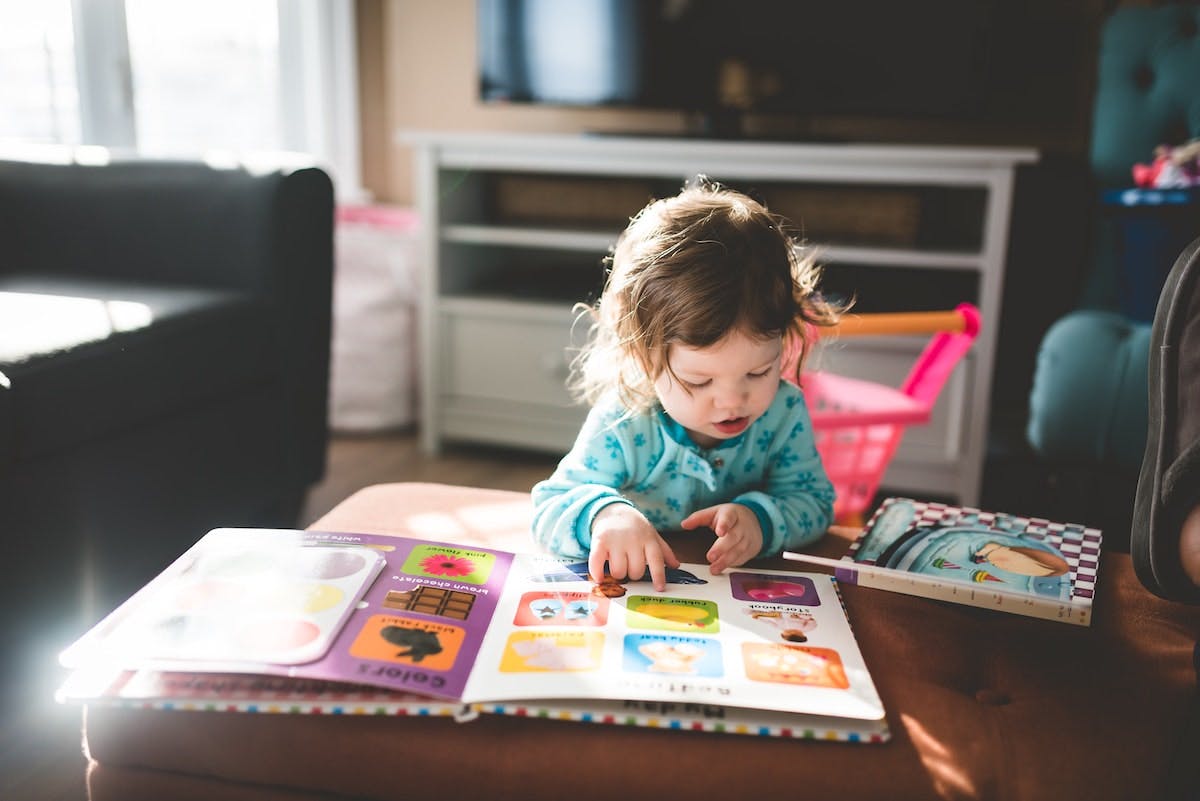
Book ownership encourages children to read, and can turn reluctant readers into book lovers. But as with many essential resources, the sense of pride, skill, and confidence that comes with reading is not available to every child in Calgary. Calgary Reads' mission is to create positive change in literacy outcomes for children by mobilizing education, community, and business to care and act together with ingenuity.
Calgary Reads
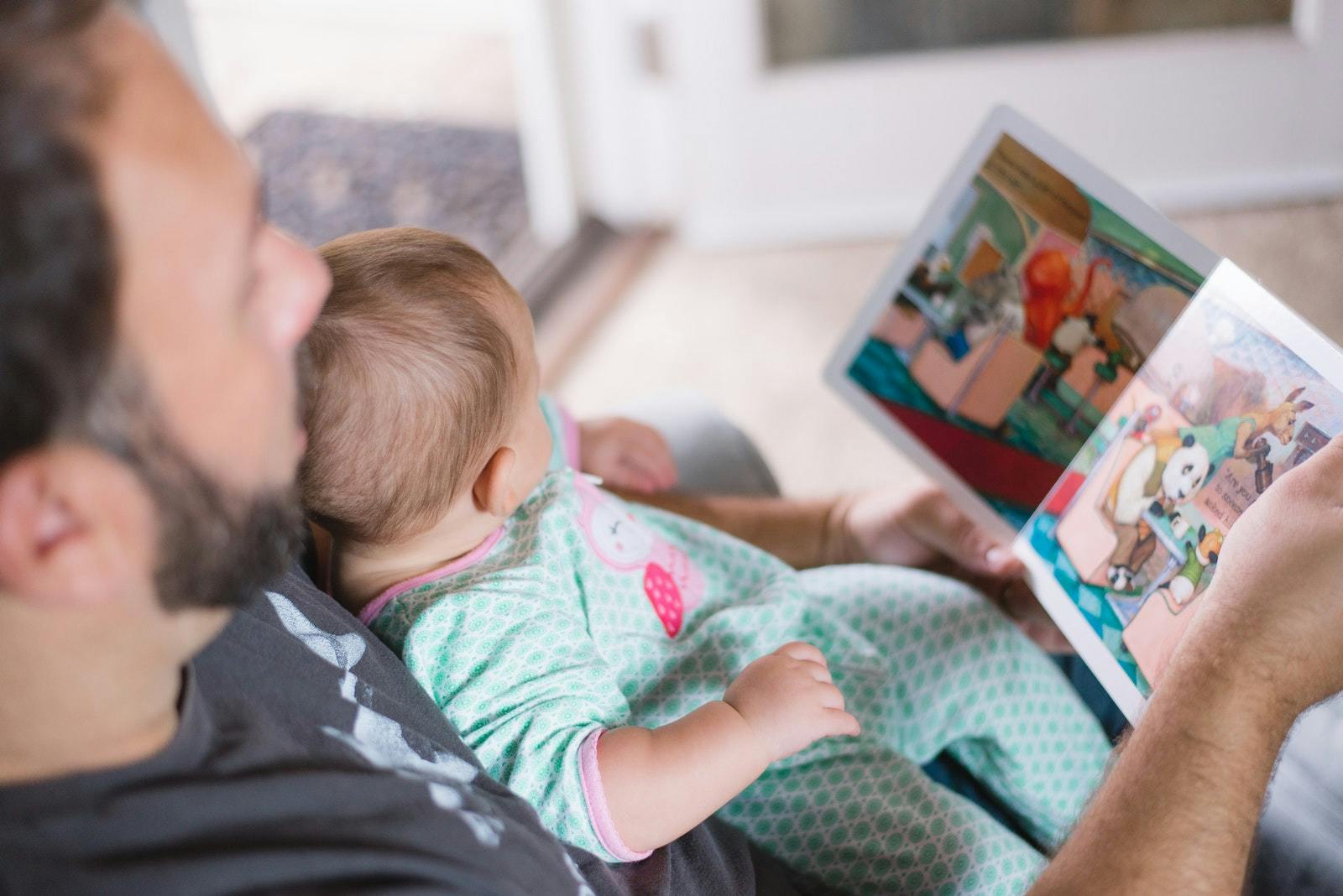
In the past two years, the Calgary Reads Book Bank has distributed more than 14,000 children’s books to over 2,100 families that are clients of the Calgary Food Bank, many of whom now own books for the first time. They also have programs that donate books to children through their schools, and to babies and infants through public health nurses. Through these measures, book drives, and building awareness about the issue, they are helping to shift an imbalance of book ownership in Calgary.
Early Learning and Care is one of Enough For All's Levers of Change, particularly because consistent reading is one of our greatest tools against adulthood poverty. Literacy plays an integral part in adulthood communication skills, earning potential, and lifelong confidence. This important element of childhood development is proven to play an essential role in a successful adulthood, which raises the question: why do so few children have easy access to books, and what can we do to change this statistic?